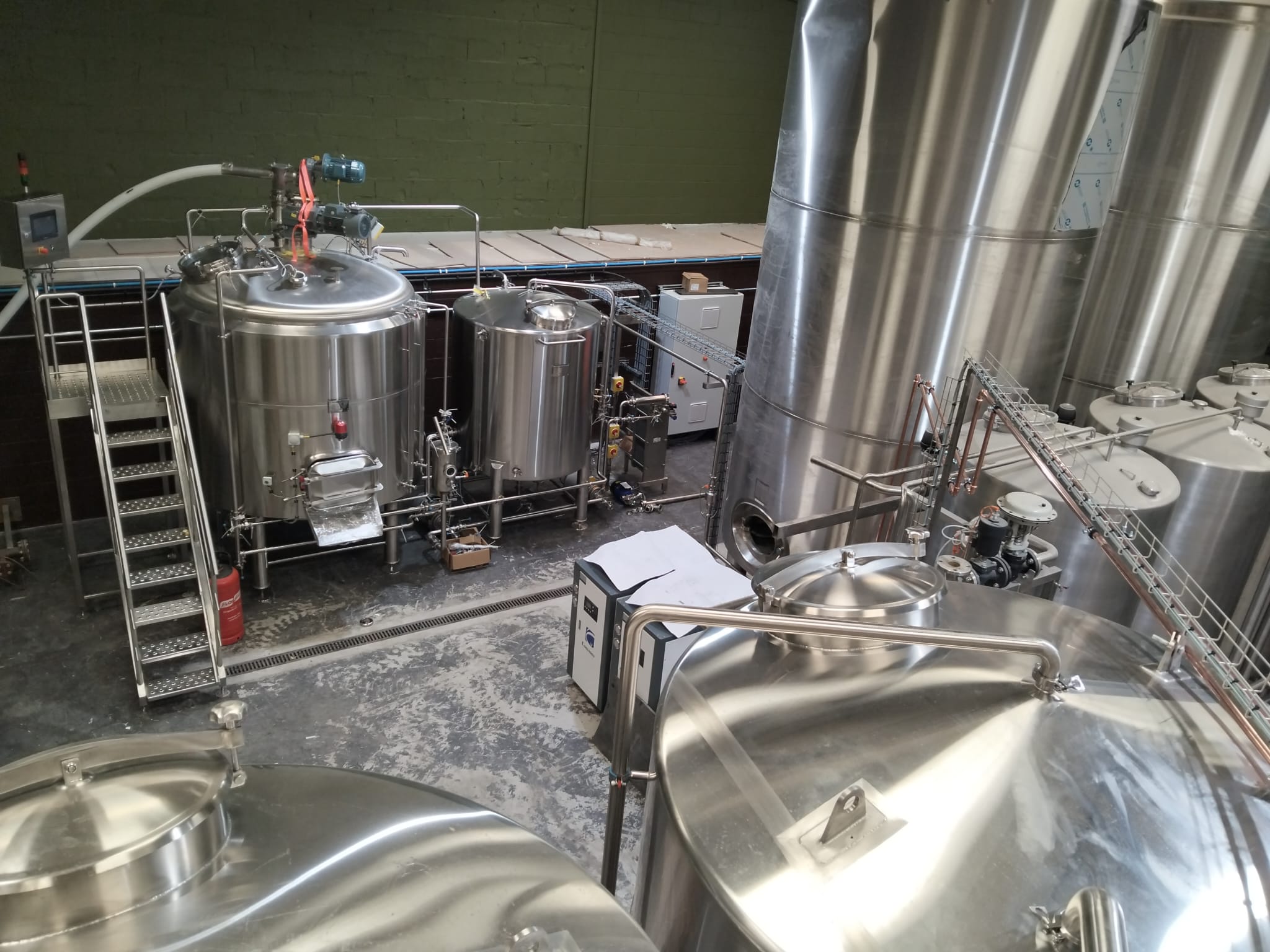
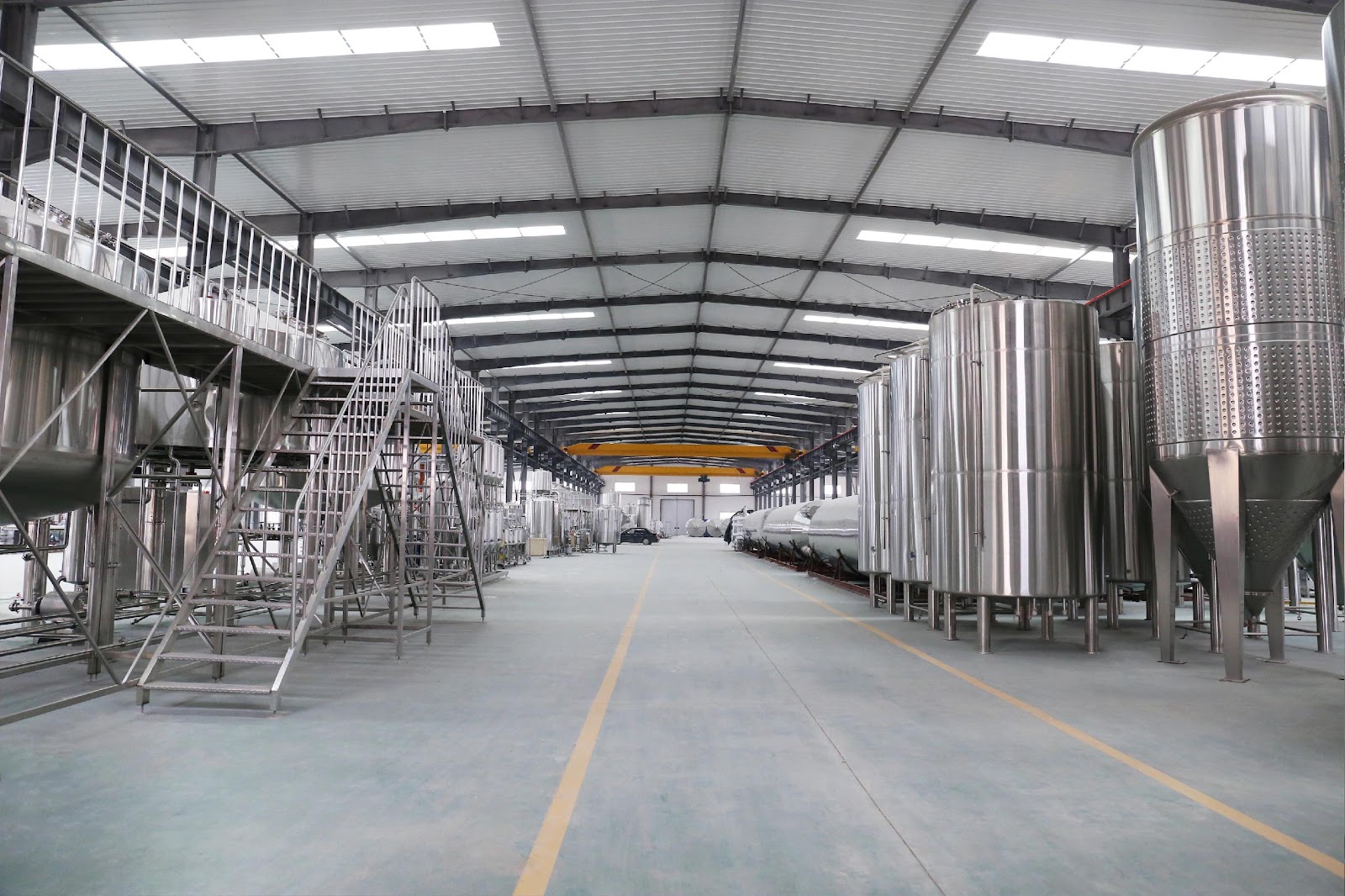
Breweries, distilleries, and kombucha producers are entering a new era where AI-driven automation and sustainability are central to growth. From brewhouse controls to kombucha fermenters and modern stills, producers are adopting smart equipment that tightens process control, reduces utility costs, and increases throughput—all without sacrificing product character.
With regulatory pressure rising and operating costs climbing, the right brewing and distilling equipment can unlock both efficiency and quality. Companies like V-Brew are leading this shift by delivering tailored automation, hygiene, and sustainability solutions for the drinks industry.
Smart Brewing Operations
Breweries are embracing IoT sensors, predictive analytics, and cloud-based production management. These platforms centralise data from mash tun to bright tank—tracking temperature, pH, CO₂, pressure, and CIP cycles.
Real-time monitoring with automated alarms and interventions helps stabilise fermentations, reduce oxygen pickup in packaging, and minimise downtime. For breweries investing in no- and low-alcohol products, automated dealcoholization workflows ensure precision and repeatability at scale.
Kombucha Precision and Hygiene
Kombucha production demands high sanitary standards and tight fermentation control. Automated vessels, inline monitoring, and integrated CIP now support batch-to-batch consistency while protecting against contamination and oxygen exposure.
As consumer demand for health-focused drinks grows, these systems allow kombucha producers to scale with confidence. Quick, automated changeovers between SKUs also reduce labour costs and help brands stay agile in an expanding market.
Distilling: From Grain to Glass
Craft distilleries are modernising with data-logged fermenters, PLC-driven stills, and mash-house automation. Features like jacketed fermenters with temperature loops, flow-meter batching, and automated CIP deliver higher accuracy while reducing manual workload.
These upgrades enhance traceability, support compliance, and improve cut precision, while still allowing distillers to control the creative aspects of blending, maturation, and recipe development. Stepwise automation ensures efficiency grows without replacing craftsmanship.
Energy and Water Efficiency
Sustainability has become a non-negotiable priority. Across beer, kombucha, and spirits, energy-efficient heating and cooling loops, CO₂ recovery, and water-saving designs are moving from optional upgrades to standard features.
Breweries are investing in heat recovery systems and variable-speed drives to reduce energy demand. Kombucha and distilling facilities are optimising chilled water and heat integration to cut OPEX and carbon emissions. V-Brew integrates these eco-efficient systems to help producers align with both environmental targets and retailer requirements.
Packaging Flexibility and Control
Modern drinks producers require versatile packaging solutions. Bottling and canning lines now manage cans, bottles, and kegs with precise oxygen management and carbonation control.
For kombucha, counter-pressure filling ensures flavour stability and extended shelf life. For breweries, lightweight cans combined with low total package oxygen protect freshness. For distilleries, automated proofing and filling maintain consistency and compliance—critical for premium spirits.
Compliance and Traceability
Data-driven traceability is transforming compliance. Cloud-based systems and digital “twins” allow producers to track everything from raw material intake to finished product distribution.
This level of oversight simplifies audits, validates CIP performance, and provides clear batch genealogy. For producers scaling into premium retail or export markets, robust traceability is becoming a competitive necessity.
Why It Matters for ROI
Upgrading brewing and distilling equipment delivers measurable business benefits:
-
Consistency and quality: Advanced controls stabilise flavour targets, reduce off-spec batches, and protect shelf life.
-
Labor leverage: Automation reduces routine monitoring and cleaning, freeing staff for innovation and customer experience.
-
Utility savings: Energy-efficient loops, heat recovery, and water recycling cut costs and emissions.
-
Scalable growth: Modular systems integrate new tanks or packaging lines without overhauling existing infrastructure.
What to Look For in Upgrades
When evaluating new brewery, distillery, or kombucha equipment, producers should prioritise:
-
Open, modular controls that integrate sensors, recipe management, ERP, and QA systems.
-
Hygienic design with automated CIP, validated cleaning recipes, and easy inspection.
-
Energy and water efficiency features like heat recovery, VFDs, and optimised chillers.
-
Packaging lines with low oxygen pickup, accurate carbonation or proofing, and fast format changeovers.
The Bottom Line
In 2025, success in brewing, kombucha, and distilling will come from adopting automation and sustainable equipment. Producers that modernise their controls, hygiene systems, and packaging capabilities will not only scale profitably but also meet the rising expectations of eco-conscious consumers and regulators.
With decades of expertise, V-Brew supports producers worldwide in upgrading equipment that balances efficiency with craftsmanship—ensuring the next generation of beer, kombucha, and spirits is brewed with precision, sustainability, and creativity.