In modern brewing, distilling, winemaking, and cidermaking, efficiency and sustainability are becoming essential rather than optional. One area that is gaining increasing attention is the recovery and reuse of fermentation CO2. While this concept has traditionally been associated with wineries and cideries, it is equally relevant in breweries and, in certain cases, in distilleries as well.
During fermentation, yeast converts sugars into alcohol and CO2. In many breweries, this CO2 is simply released into the atmosphere. However, with the right systems in place, this gas can be captured, purified, and reused throughout the production process. This approach not only reduces operating costs but also supports more sustainable production.
Why CO2 Recovery Matters in Brewing
Breweries rely heavily on CO2 across multiple stages of production. It is used for carbonation, purging tanks, transferring beer, and packaging. In most cases, this CO2 is purchased from external suppliers, which introduces ongoing costs and dependency on the market.
By recovering CO2 directly from fermentation, breweries can reduce or even eliminate the need for purchased gas. This brings several advantages. First, it lowers operating costs over time. Second, it reduces exposure to supply chain disruptions and price fluctuations. Third, it improves environmental performance by reducing emissions.
With increasing pressure on breweries to operate more sustainably and efficiently, CO2 recovery is quickly becoming a practical and attractive solution rather than a niche concept.
How CO2 Recovery Works
CO2 recovery systems are designed to capture gas released during fermentation. This gas is then compressed, cleaned, and stored for later use. The effectiveness of such systems depends heavily on maintaining stable fermentation conditions and using equipment that supports controlled and hygienic processes.
This is where V-Brew equipment plays an important role. High-quality fermentation vessels are essential for ensuring consistent CO2 production and efficient capture.
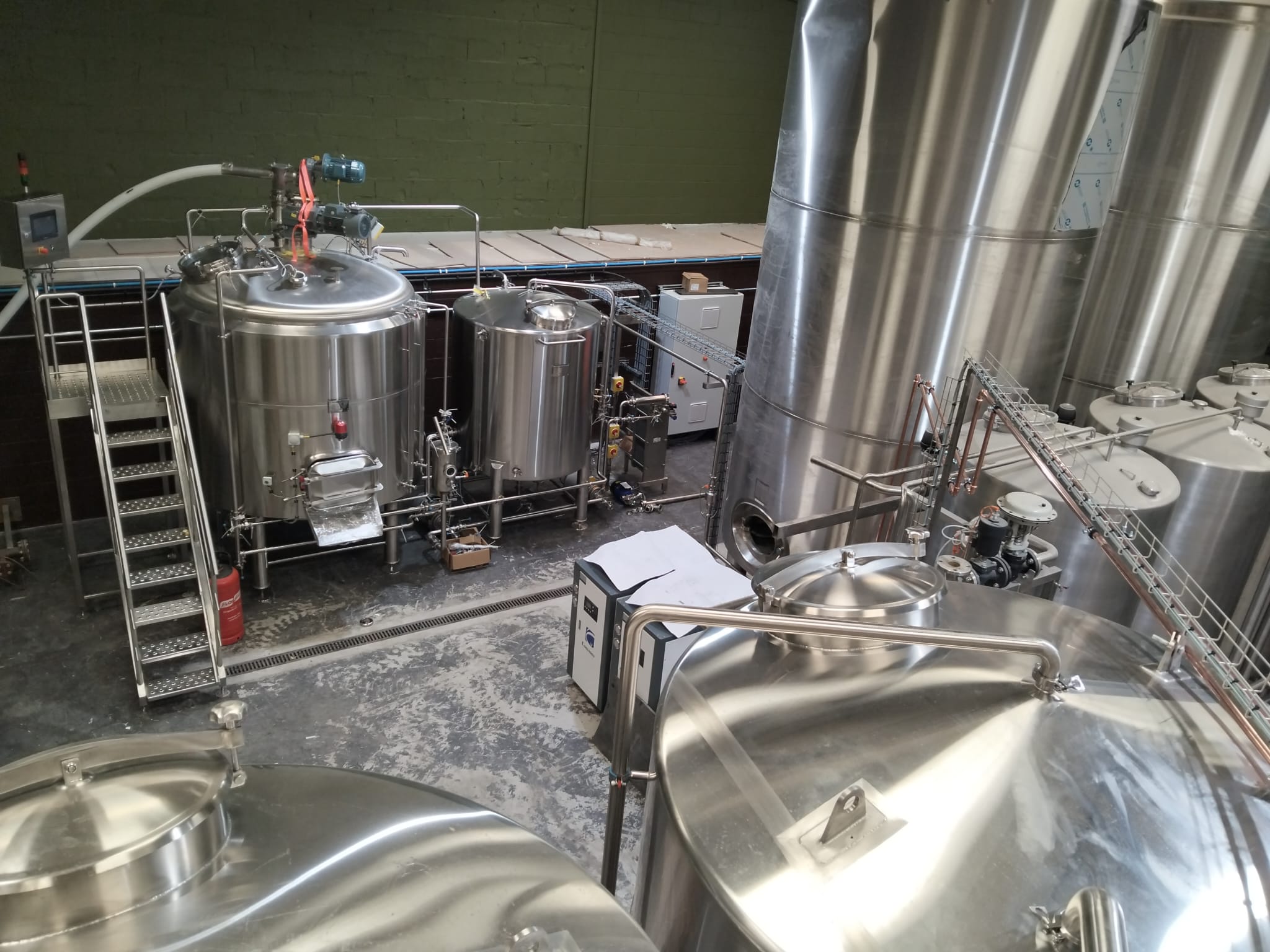
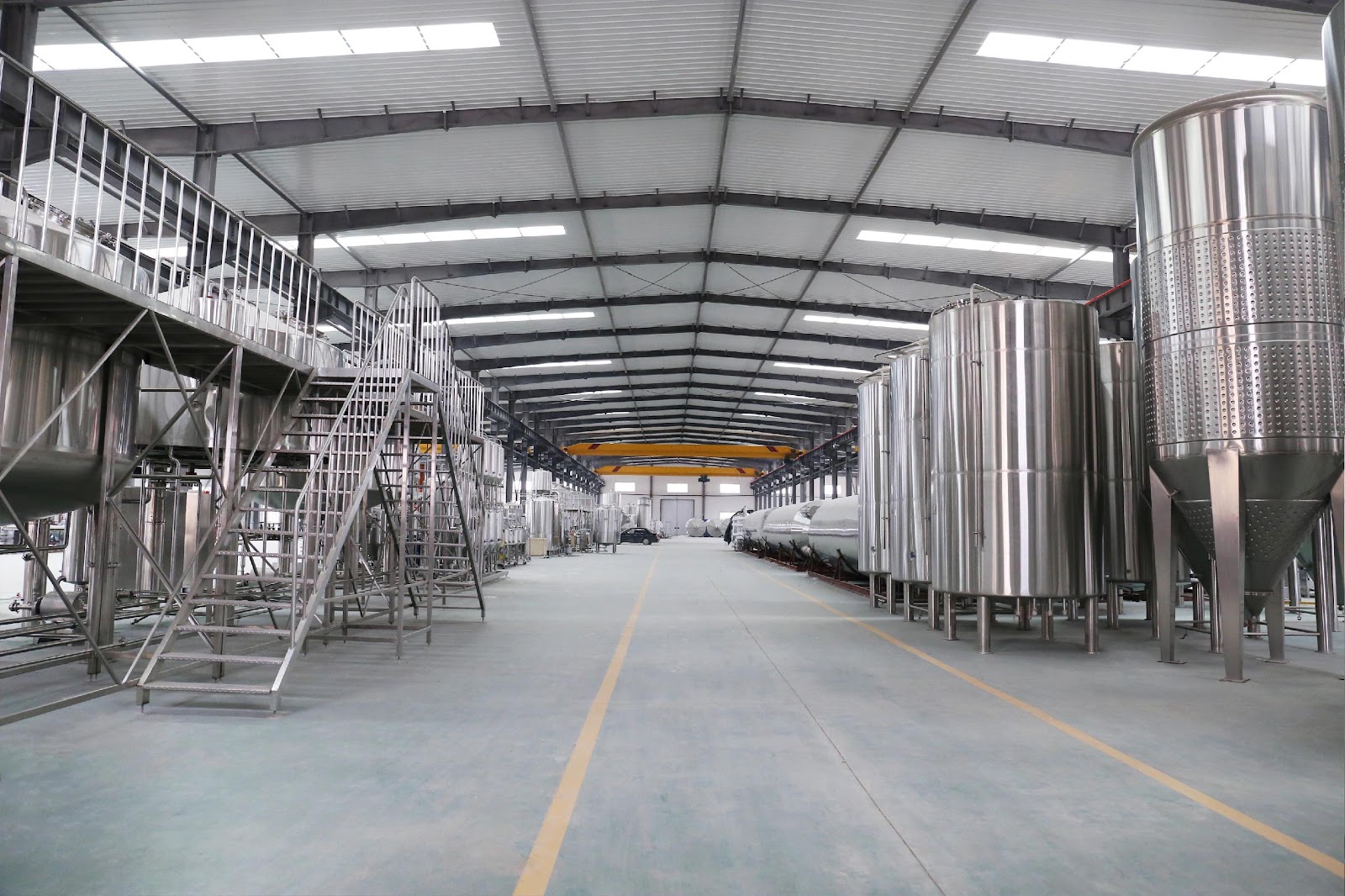
V-Brew offers a wide range of stainless steel vessels designed specifically for brewing applications. These tanks are built using AISI 304 or AISI 316 stainless steel, which ensures durability, corrosion resistance, and ease of cleaning. They can also be equipped with cooling jackets, allowing precise temperature control during fermentation.
Pressure-rated designs are another key factor. Some configurations can handle pressures of up to 3.0 bar, which helps manage gas flow and supports integration with CO₂ recovery systems. In addition, features such as sloped bottoms and sump outlets improve drainage and cleaning efficiency, contributing to overall process reliability.
These design elements are not only important for product quality but also for creating the stable conditions needed for effective CO₂ recovery.
Integration into Brewing Systems
CO₂ recovery should be considered as part of the overall brewery design rather than a standalone addition. A well-integrated system allows breweries to capture, store, and reuse CO₂ seamlessly throughout production.
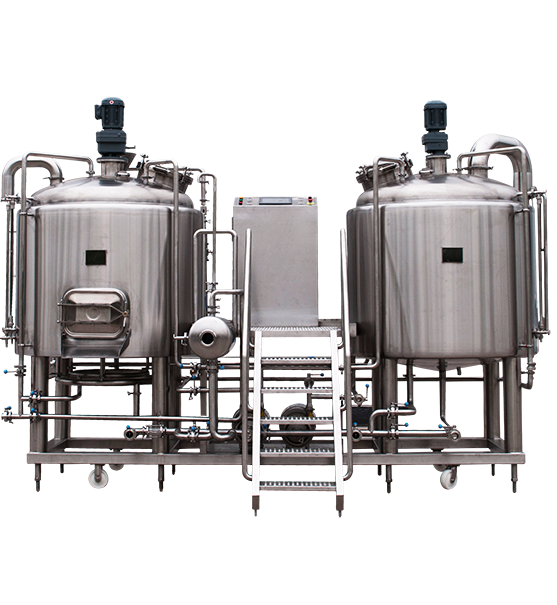
With V-Brew’s complete brewing solutions, it is possible to design a system where CO₂ recovery fits naturally into the process. From brewhouses to fermentation vessels and storage tanks, every component can be configured to support efficiency and future expansion.
In a typical setup, CO₂ is captured during primary fermentation and routed to a recovery system. After purification and compression, it is stored and later reused for carbonation, tank purging, and packaging operations. This creates a closed-loop system that reduces waste and improves resource efficiency.
Even breweries that are not ready to invest in CO₂ recovery immediately can benefit from planning ahead. By selecting the right vessels and system design from the beginning, it becomes much easier to integrate CO₂ recovery at a later stage.
CO₂ Recovery in Distilleries
In distilleries, CO₂ recovery is less common but still relevant in certain situations. Fermentation is an essential step in the production of many spirits, including whisky, rum, and grain-based products. This process also generates CO₂, similar to brewing.
However, distilleries typically do not use large amounts of CO₂ in their downstream processes. As a result, the direct financial benefit of recovery may be lower compared to breweries. Despite this, there are still valid reasons to consider it.
Large-scale distilleries can use CO₂ recovery to reduce emissions and improve sustainability. In some cases, recovered CO₂ can be used for inerting tanks or other internal processes. It can also contribute to meeting environmental targets and improving overall efficiency.
As sustainability becomes a greater focus across the spirits industry, CO₂ recovery may become more widely adopted, particularly in modern and forward-thinking facilities.
Moving Toward More Sustainable Production
Recovering fermentation CO2 is a practical way to reduce waste and improve efficiency in both brewing and distilling. It allows producers to turn a natural by-product into a valuable resource, supporting both economic and environmental goals.
Investing in the right equipment is a key part of this process. V-Brew offers a comprehensive range of brewing and distilling equipment, including fermentation vessels, storage tanks, and complete system solutions. These systems are designed to provide the control, reliability, and flexibility needed to support advanced processes such as CO₂ recovery.
As the industry continues to evolve, breweries and distilleries that focus on efficiency and sustainability will be better positioned for long-term success. CO₂ recovery is not just a technical upgrade. It is a strategic step toward smarter and more responsible production.