As a leading UK kombucha-brewing equipment supplier, V-Brew has witnessed the fermented tea beverage, kombucha, take the world by storm first-hand. Whilst it first originated centuries ago, it has more recently become one of the fastest-growing drinks on the market, due to its unique taste and numerous health benefits. Kombucha has quickly become a favourite among those looking for a refreshing alternative to sugary drinks. As a result, many of our customers in the brewing industry, including some of the biggest UK kombucha producers, have turned to us for high-quality equipment to help them create delicious kombucha.
Where Did Kombucha Originate From?
kombucha has been around for centuries, with its origins believed to be in China or Russia. The beverage is made by fermenting sweetened tea with a SCOBY (symbiotic culture of bacteria and yeast), which creates a fizzy, tangy taste. Kombu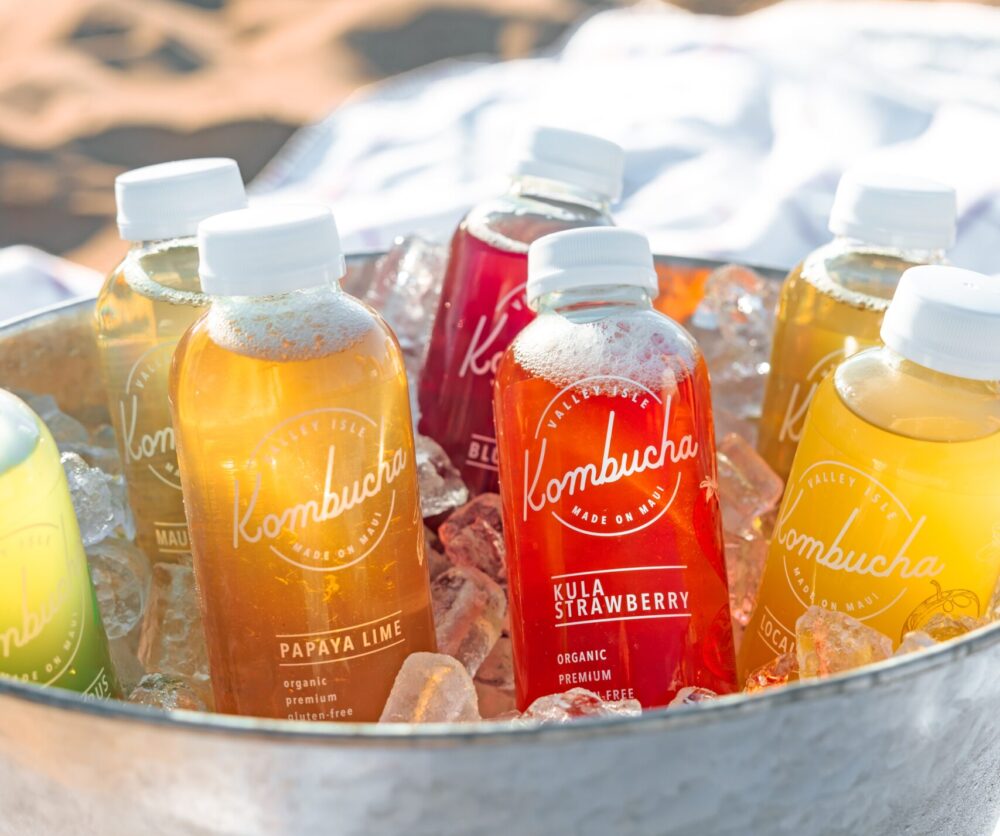 cha’s popularity spread from Asia to Europe and eventually to the United States, where it gained a following in the 1990s among health enthusiasts.
Over time, kombucha has become more mainstream, with commercial producers offering a variety of flavours and even kombucha-based cocktails. Today, kombucha is enjoyed around the world and is renowned for its unique flavour and several health benefits.
What Is Kombucha?
Unlike sugary sodas and other carbonated drinks that are loaded with artificial flavours, colours, and preservatives, kombucha is made with simple and natural ingredients. The primary ingredients of kombucha are sweetened tea leaves and a specific culture known as ‘scoby’, which stands for ‘symbiotic culture of bacteria and yeasts’. Kombucha is often touted for its possible health benefits, such as weight loss, reduced inflammation, better gut health and detoxification.
Not only this, kombucha is becoming a more favourable beverage for many brewers, for the following reasons:
- It’s a more versatile drink, meaning kombucha brewers can experiment with different flavours
- Made from sustainable ingredients which are readily available and can be sourced from organic producers, reducing the brewers’ environmental impact and carbon footprint
- The fermentation process of kombucha is natural and does not require any chemical additives or preservatives, which can be harmful to the environment
How Is Kombucha Made?

Whilst the process of brewing kombucha can vary, typically a double fermentation will take place, in which the scoby is placed in a sweetened tea mixture and left to ferment for a number of weeks. Afterwards, the fermented kombucha will be bottled for one to two weeks to encourage carbonation. Towards the end of the brewing process, the bottle kombucha will be refrigerated to slow the carbonation process.
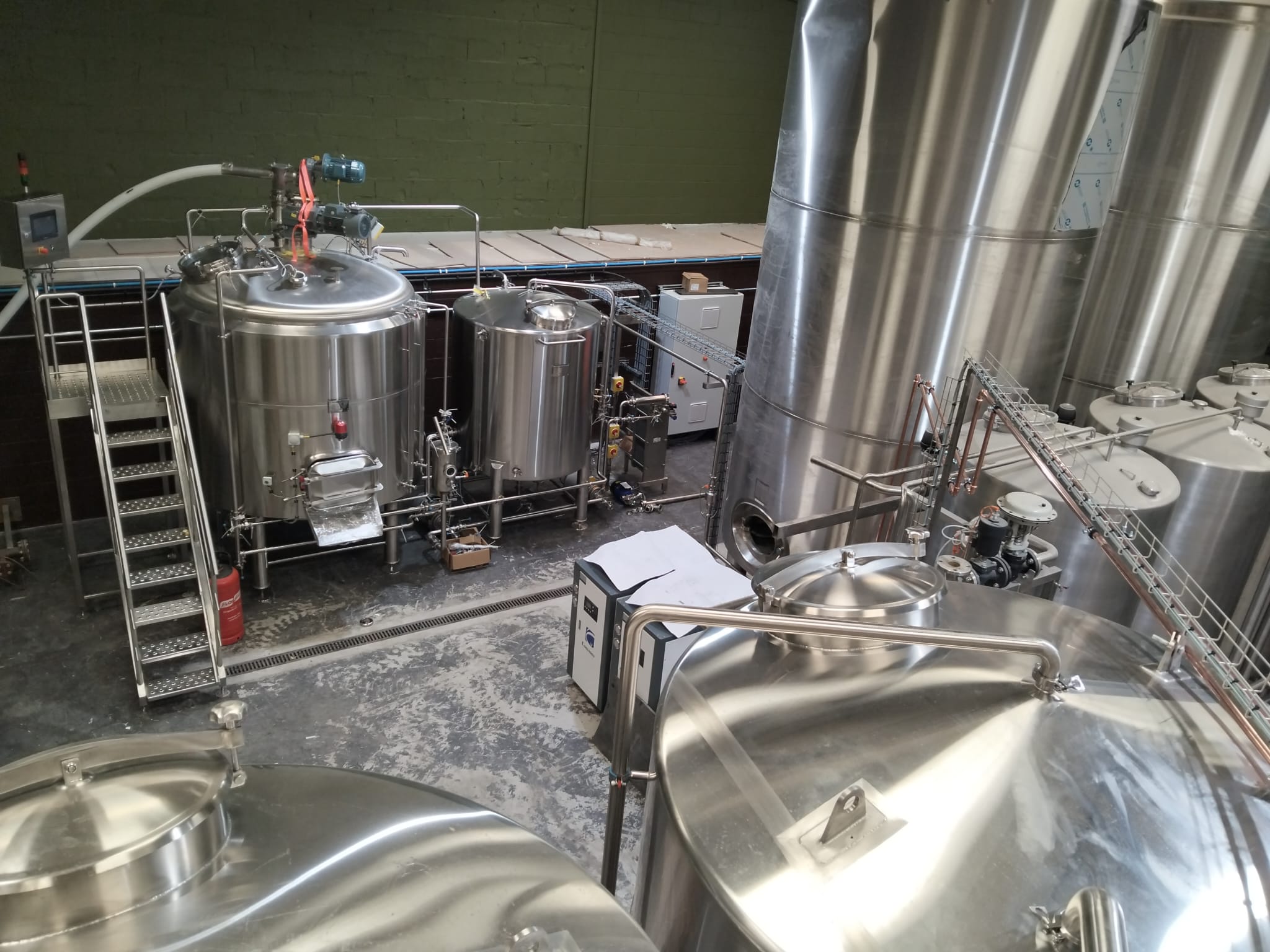
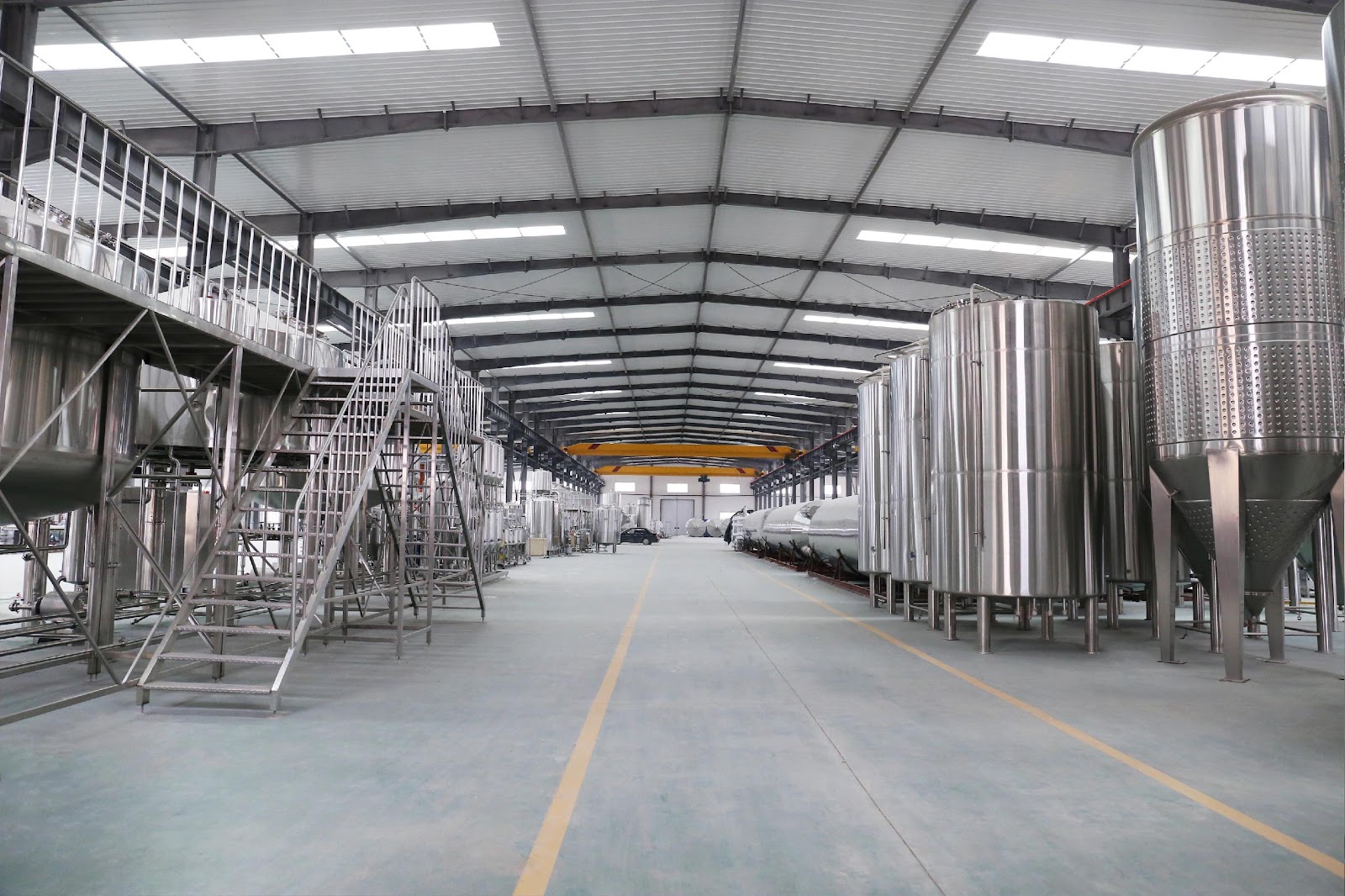
For those who are interested in making kombucha on a larger scale, for example breweries, there is plenty of kombucha brewing equipment available on the market, to make the process as smooth and efficient as possible. Here are some of V-Brew’s most popular products used to create high-quality kombucha:
- Vessels / kombucha tanks
- Cross flow filtration systems
- Industrial chiller units
- Automatic canning and bottling machines
You can learn more about V-Brew’s cutting-edge kombucha making equipment in our kombucha brochure, or by getting in touch with our knowledgeable team.
Kombucha Brewing Equipment From V-Brew
V-Brew provides kombucha making equipment for both home and commercial use. Our equipment is designed to make the kombucha-making process simple and easy, even for beginners. We offer a range of equipment, including fermentation vessels, temperature controllers, bottling machines, and more. We also provide training and support to our customers, helping them to produce high-quality kombucha and grow their businesses.
If you’re looking for a healthy and delicious drink that’s packed with flavour and health benefits, look no further than kombucha. With V-Brew’s market-leading kombucha making equipment, you can make your own kombucha at home or start your own kombucha business. Contact us today at info@v-brew.co.uk or call on 01395 233031, if you’d like to learn more.