Most breweries spend a great deal of time thinking about recipes, ingredients and brewhouse capacity before launching production. Fermenters, on the other hand, are often viewed as relatively straightforward purchases. As long as the tanks hold the required volume, many assume the problem is solved.
The reality is usually more complicated. Across the brewing industry, one of the most common equipment challenges is discovering that fermentation capacity becomes a bottleneck long before the brewhouse reaches its limit. A brewery may have the ability to produce more wort, more sales opportunities and growing customer demand, yet still struggle to increase output because every fermenter is occupied.
At V-Brew, conversations about brewery expansion frequently begin with a request for additional tank capacity. However, the underlying issue is rarely just the size of a single vessel. More often, it is a question of production flow, scheduling and understanding how fermentation influences the entire brewing operation.
The Brewhouse Is Not Always the Bottleneck
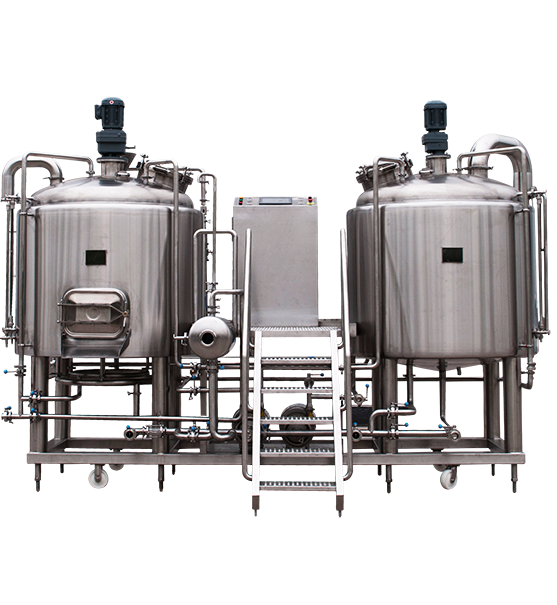
When breweries first begin planning for growth, attention naturally turns towards the brewhouse. Larger mash tuns, bigger kettles and higher production volumes seem like the obvious route to increased output. However, fermentation follows its own timeline and cannot simply be accelerated to match brewing capacity.
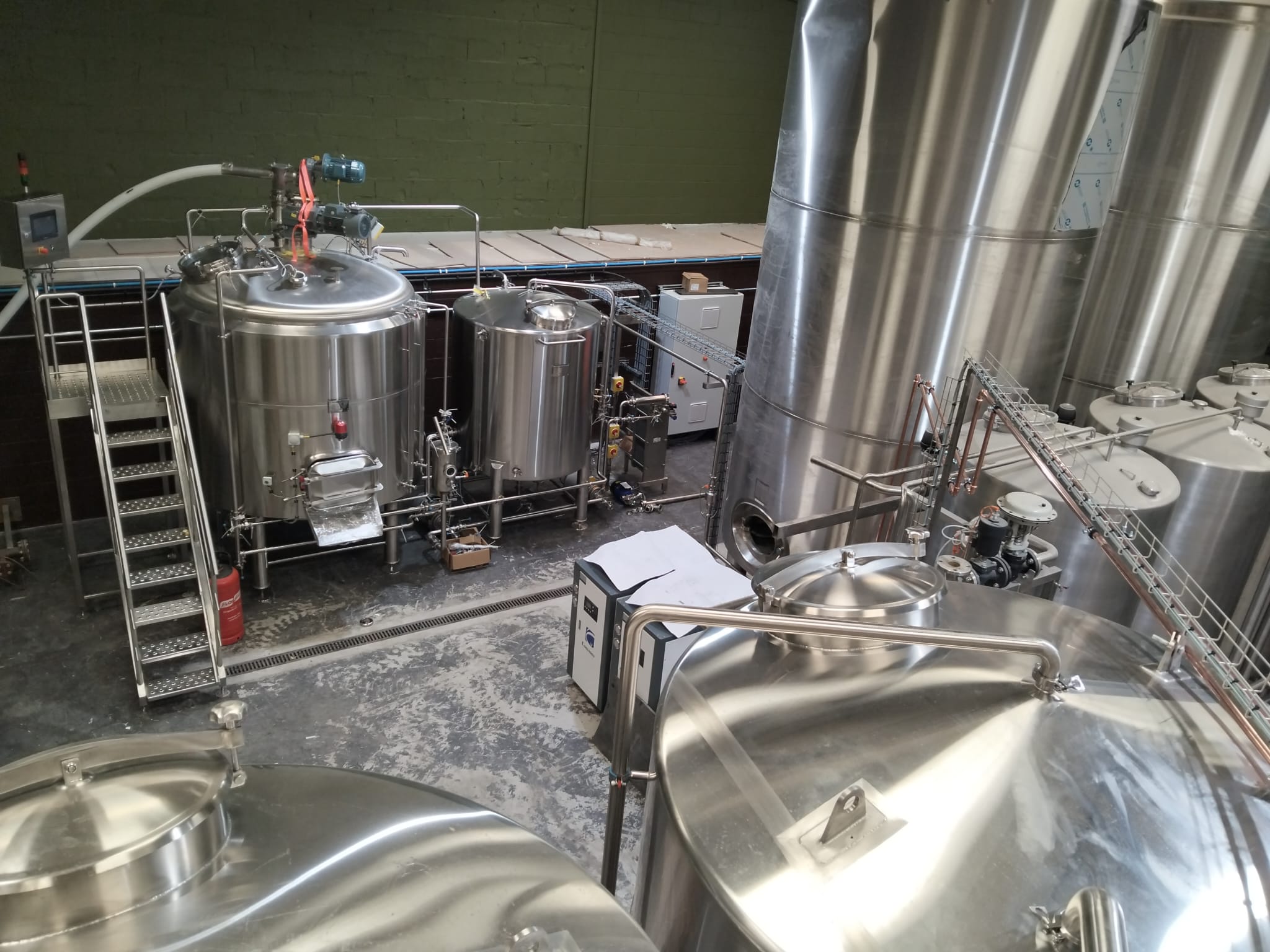
A typical brew day may last only a few hours, but the resulting beer can occupy a fermenter for several weeks. During that period the vessel is unavailable for new production. As sales increase, breweries often discover that fermentation space becomes their most valuable resource.
This situation creates a frustrating imbalance. Brewing teams are capable of producing more beer, but there is nowhere for that beer to go. Every fermenter remains full, schedules become increasingly difficult to manage and growth begins to slow despite strong market demand.
Why Fermentation Capacity Disappears So Quickly
The challenge becomes more noticeable as product ranges expand. A brewery producing a single core beer may achieve excellent tank utilisation because production remains predictable. Modern craft breweries, however, rarely operate this way.
Seasonal releases, limited editions, collaborations and experimental brews all compete for fermentation space. Different beer styles also require different fermentation and conditioning periods. While one product may be packaged relatively quickly, another may remain in a tank for significantly longer.
The result is that fermentation schedules become increasingly complex. A tank that appears available on paper may actually be committed weeks in advance. What initially seemed like generous capacity suddenly feels restrictive, particularly during busy periods when demand is highest.
The Cost of Underestimating Future Growth
Many breweries purchase their first fermenters based on current production targets. This approach makes sense from a budgeting perspective, but it often overlooks how quickly successful breweries evolve.
Growth rarely arrives in a perfectly predictable manner. A new wholesale account, a successful seasonal release or expansion into a different region can create demand increases that were never included in the original business plan. Equipment that appeared oversized during the first year can become fully utilised surprisingly quickly.
Replacing undersized equipment is rarely ideal. Installation costs, production disruption and additional capital expenditure can make reactive upgrades significantly more expensive than thoughtful planning from the beginning. For this reason, experienced brewery operators often evaluate equipment based not only on current requirements but also on where they expect the business to be several years into the future.
Why Stainless Steel Fermenters Remain the Industry Standard
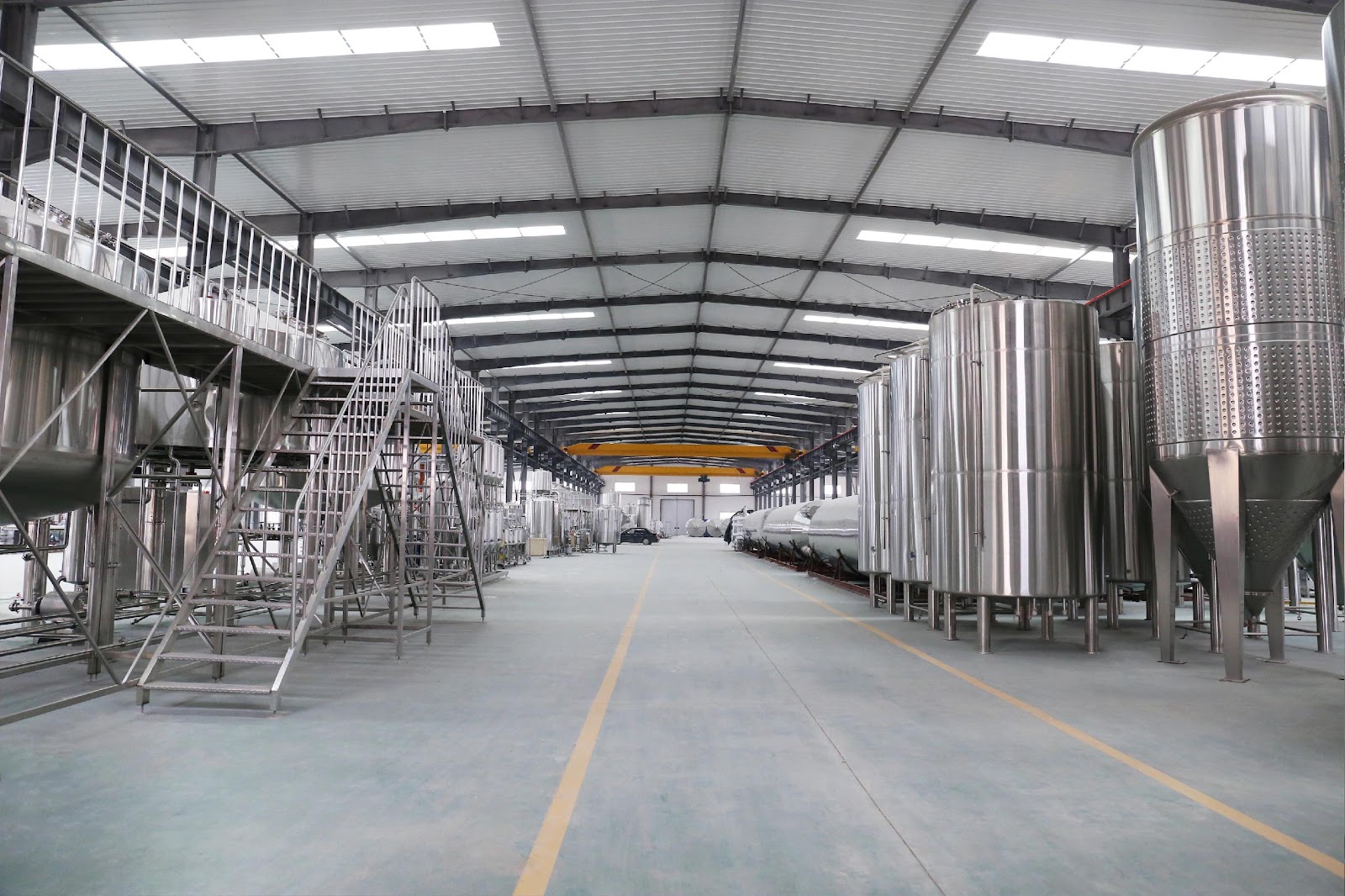
When breweries invest in fermentation equipment, stainless steel continues to dominate the industry for good reason. Hygiene, durability and ease of cleaning are all essential in commercial brewing environments where consistency matters.
High-quality stainless steel fermenters provide reliable temperature control, efficient cleaning and long service life. Over time, these factors influence far more than maintenance costs. They contribute directly to beer quality, operational efficiency and production reliability.
At V-Brew, many breweries choose stainless steel fermentation systems because they offer the flexibility required for both current production and future expansion. Well-designed tanks often remain part of a brewery’s operation long after other equipment has been upgraded.
Expansion Is About More Than Adding Tanks
Adding fermenters can solve an immediate capacity issue, but successful expansion usually requires a broader view. Additional tank capacity often increases demand on cooling systems, transfer equipment, cleaning procedures and packaging operations.
A brewery that doubles fermentation capacity without reviewing supporting infrastructure may simply move the bottleneck elsewhere. The objective should not be adding more equipment for its own sake but creating a production system that remains balanced as volumes increase.
This is where long-term planning becomes particularly valuable. Understanding how each piece of equipment interacts with the rest of the brewery can help avoid expensive surprises later.
Contact us
Many breweries assume their brewhouse will determine how much beer they can produce. In practice, fermentation capacity often becomes the limiting factor much sooner. As product ranges expand and demand grows, available tank space quickly becomes one of the most valuable assets within the brewery.
The most successful breweries tend to view fermenters not as simple storage vessels but as a critical part of their production strategy. Investing in the right fermentation equipment today can provide flexibility, efficiency and growth opportunities for many years to come.
V-Brew supplies commercial brewing equipment, stainless steel fermenters, cooling systems and brewery infrastructure designed to support both growing craft breweries and established beverage producers looking to expand capacity efficiently.