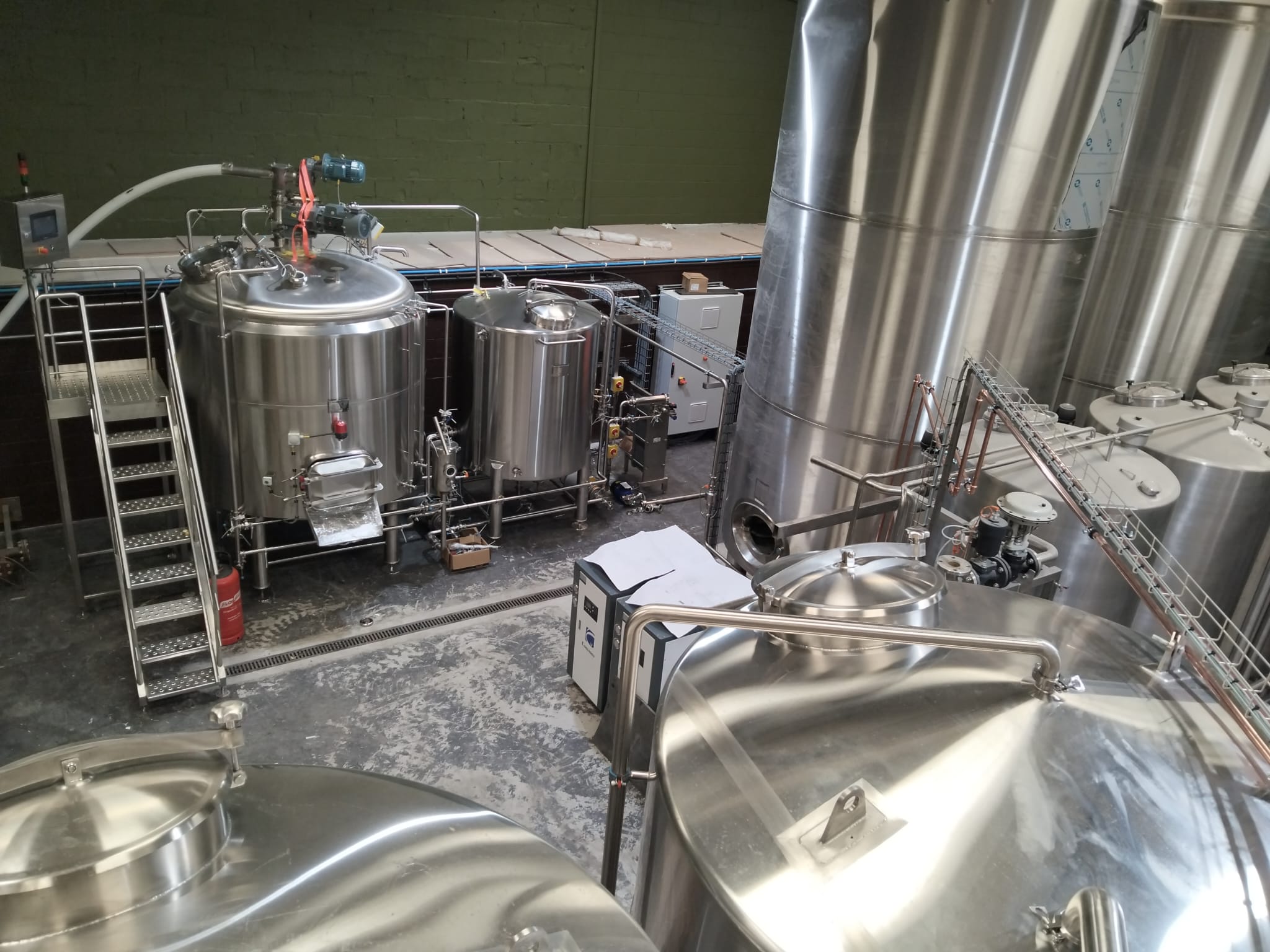
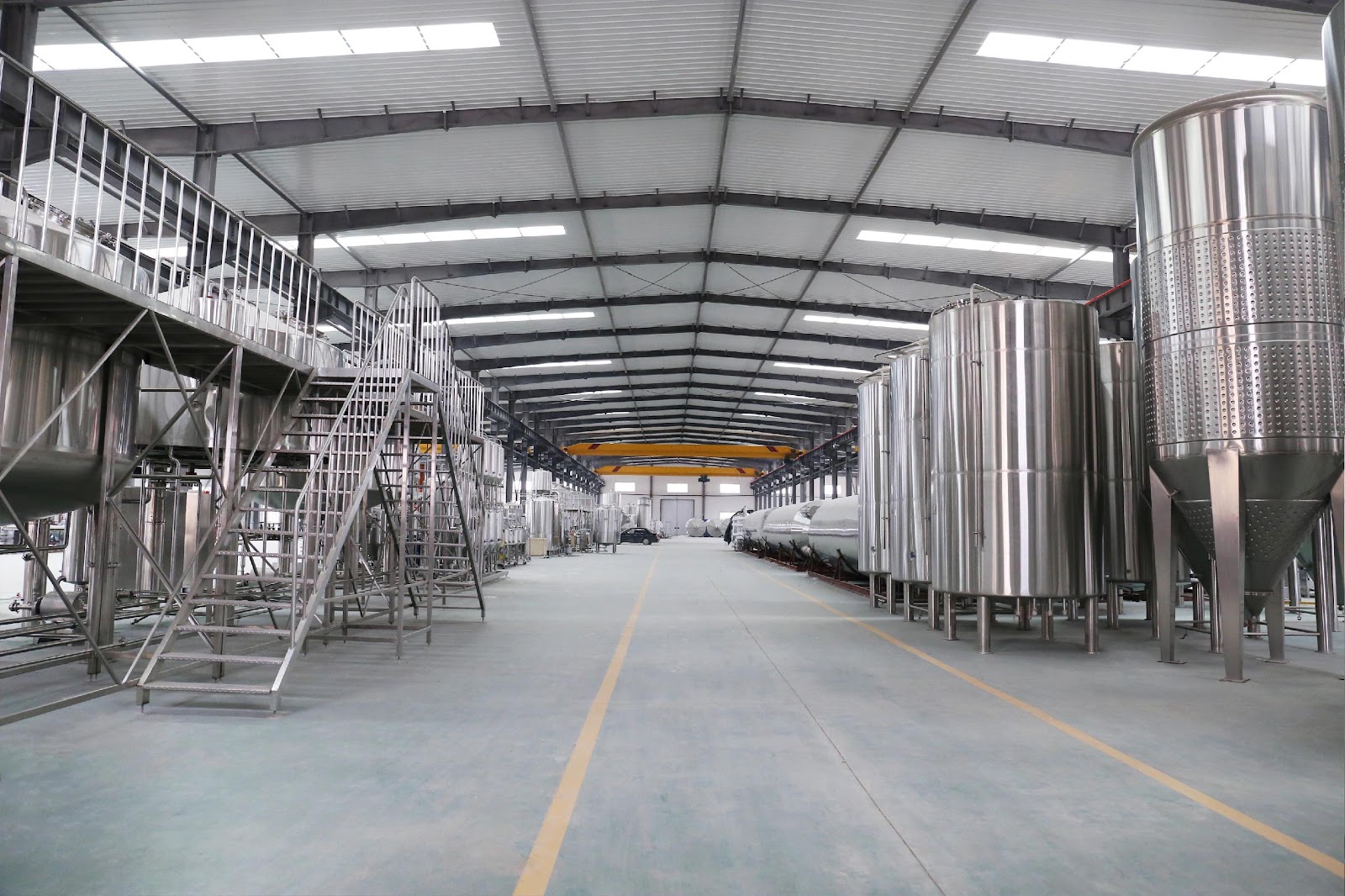
Selecting the appropriate fermentation tank is a critical decision for any brewery, whether you’re a small craft operation or a large-scale producer. The right tank can significantly impact the quality, consistency, and efficiency of your brewing process. This guide will help you navigate the key factors to consider when choosing fermentation tanks for your brewery.
Capacity Considerations
The size of your fermentation tank should align with your production needs and future growth plans.
For Small Breweries
Small craft breweries typically require tanks with capacities ranging from 5 to 10 barrels
. When selecting a tank, consider:
- Your current batch sizes
- Frequency of brewing
- Available space in your facility
- Potential for future expansion
It’s often wise to choose a tank slightly larger than your current needs to accommodate growth without immediately requiring new equipment.
For Large Breweries
Larger operations may need tanks with 30 to 50 barrels or more capacities.
- Your production volume
- A variety of beer styles produced
- Need for flexibility in batch sizes
- Long-term scalability plans
Stainless Steel: The Industry Standard
The material of your fermentation tank plays a crucial role in durability, sanitation, and beer quality.
Stainless steel is the most popular choice for fermentation tanks due to its numerous advantages:
- Durability and longevity
- Ease of cleaning and sanitization
- Resistance to corrosion
- Ability to maintain consistent temperatures
Investing in high-quality stainless steel tanks (grades 304 or 316L) is generally recommended for long-term reliability and performance for both small and large breweries.
The design of your fermentation tank can significantly impact your brewing process and efficiency.
Conical vs. Cylindrical
Conical tanks are popular in modern breweries due to their advantages:
- Easy collection of yeast and sediment
- Simplified cleaning process
- Efficient use of space
Cylindrical tanks may be suitable for certain brewing styles or space-constrained environments.
Key Features to Consider
When selecting a tank, look for these important features:
- Cooling jackets for temperature control
- Pressure rating suitable for your brewing styles
- Sampling valves for monitoring fermentation progress
- CIP (Clean-in-Place) compatibility for efficient cleaning
- Racking arms for easy beer transfer
Whether you’re a small brewery with ambitions to grow or a large operation looking to optimize, consider the scalability of your fermentation tanks.
For Small Breweries
- Choose tanks that can be easily integrated into a larger system as you expand
- Consider uni tanks that combine fermentation and conditioning, saving space and increasing flexibility
For Large Breweries
- Invest in a modular system that allows for easy addition of new tanks
- Look for tanks with advanced automation features to improve efficiency as you scale
Cost Considerations
While budget is always a factor, it’s essential to balance initial costs with long-term value.
- Stainless steel tanks may have a higher upfront cost but offer durability and longevity
- Consider the total cost of ownership, including maintenance and potential upgrades
- For small breweries, starting with quality equipment can prevent costly replacements as you grow
Choosing the right fermentation tank is a crucial decision that impacts your brewery’s success. By carefully considering factors such as capacity, material, design, and scalability, you can select tanks that meet your current needs and support your future growth. Remember that investing in quality equipment often pays off in the long run through improved beer quality, consistency, and operational efficiency. Whether you’re a small craft brewery or a large-scale operation, the key is to choose fermentation tanks that align with your brewing philosophy, production goals, and long-term vision for your brewery. With the right fermentation tanks in place, you’ll be well-equipped to produce exceptional beer and build a thriving brewing business. You can reach us at 01392 642980 or via email at info@vitikit.com.